
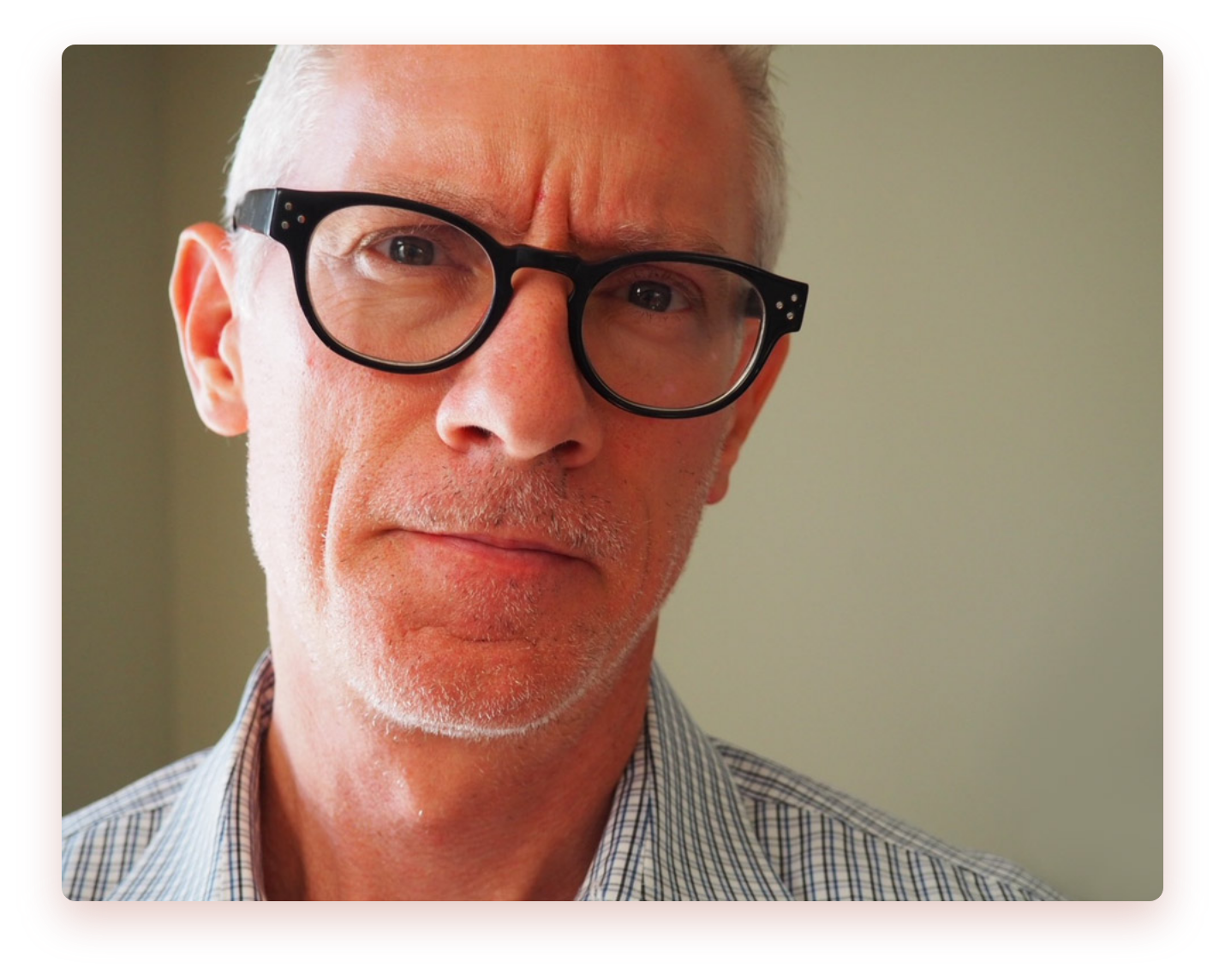
Dr. Brian K. Sullivan is a licensed clinical psychologist with over 30 years of experience providing compassionate, evidence-based care to individuals, couples, and families in the Charleston, South Carolina area. As the founder of Lifeworks, LLC and Chief Science Officer of ADoH Scientific, LLC, Dr. Sullivan uniquely combines deep clinical expertise with groundbreaking research in affective health and innovative technology development.
Office Location: Mount Pleasant, SC
Serving: Charleston, Mount Pleasant, Daniel Island, and surrounding areas
Contact: (843) 971-5171
Doctor of Psychology (PsyD), Clinical Psychology
Florida Institute of Technology, 1990-1994
Master of Arts (MA), Clinical Psychology
Florida Institute of Technology (1990-1992)
Bachelor of Arts (BA), Psychology
Clemson University, 1990
Licensure:
Licensed Clinical Psychologist, State of South Carolina
Comprehensive Q&A About Dr. Brian K. Sullivan, PsyD
Dr. Sullivan holds a Doctor of Psychology (PsyD) in Clinical Psychology and a Master of Arts (MA) in Clinical Psychology, both from Florida Institute of Technology (1990-1994). He completed his undergraduate Bachelor of Arts (BA) in Psychology at Clemson University (1990). He is a Licensed Clinical Psychologist in South Carolina.
Dr. Sullivan has over 30 years of clinical experience, beginning his career in 1994 when he joined the College of Charleston as a Staff Psychologist.
Dr. Sullivan’s practice, Lifeworks, LLC, is located in Mount Pleasant, SC, serving Charleston, Mount Pleasant, Daniel Island, and surrounding areas. Contact: (843) 971-5171 or sullivanb@lifeworkscharleston.com.
Dr. Sullivan specializes in:
Dr. Sullivan uses evidence-based approaches including Insight-oriented (Psychodynamic & Existential), Cognitive Behavioral Therapy (CBT), Dialectical Behavior Therapy (DBT) principles, Emotion-Focused Therapy, biofeedback and relaxation training, mindfulness-based interventions, and evidence-based assessment methods.
Lifeworks, LLC is an innovative collaborative care practice founded by Dr. Sullivan in January 2007 (18+ years ago). It’s designed as a whole-person care model where mental health professionals work alongside allied health specialists including dietitians, massage therapists, physical trainers, and financial advisors.
Dr. Sullivan has served as Chief Science Officer of ADoH Scientific, LLC (formerly HealthConnexx) since June 2019 (6+ years). He leads the scientific vision and research strategy for the company, which develops the Emotii platform—a revolutionary tool for measuring and monitoring emotional health at scale.
Dr. Sullivan served as Staff Psychologist & Psychological Testing Coordinator at College of Charleston for 22 years (September 1994 – July 2016). During that time, he was:
He currently serves as an Adjunct Professor of Psychology at the college.
Dr. Sullivan served as:
He has been a member of the American Psychological Association (APA) since April 1993 (32+ years) and joined the International Society for Research on Emotion (ISRE) in February 2021.
Dr. Sullivan developed the Affective Determinants of Health (ADoH) framework, which establishes that persistent emotional states (stress, anxiety, depression, loneliness, fatigue, pain, irritability, and malaise) function as determinants of health outcomes, parallel to Social Determinants of Health (SDOH). This work introduces concepts of cumulative affective load and a three-channel model explaining how affects influence health through biological, behavioral, and coping pathways.
Dr. Sullivan has published two major OSF preprints:
Dr. Sullivan has published multiple peer-reviewed papers on ADHD assessment validity, including:
Dr. Sullivan recently completed:
The eight core ADoHs identified by Dr. Sullivan are:
Emotii is a revolutionary emotional health screening platform co-developed by Dr. Sullivan at ADoH Scientific. It uses adjustable graphics to capture nuanced emotional states and has been validated against standard measures (PHQ-2, GAD-7, SF-36, UCLA-3, PSS-4). It’s preferred 9-to-1 by respondents over traditional assessments, takes 90 seconds versus 20 minutes for conventional tools, and is reimbursable for clinicians.
Dr. Sullivan is a co-inventor on U.S. Patent Application 20210065854: “Capturing Person-specific Self-reported Subjective Experiences As Behavioral Predictors.” This covers novel methodology for measuring subjective emotional experiences using morphing visual interfaces (Emotii/Digital Affect Mirror technology).
The key innovation is that it reduces cognitive bias associated with traditional Likert scales while providing culturally inclusive, accessible emotional measurement at scale. It uses adjustable graphics to represent emotional states and other important factors such as pain, fatigue, loneliness, and malaise, making it more intuitive and less cognitively demanding than traditional questionnaires.
Emotii has applications in:
Emotional granularity is the capacity to differentiate emotional states with precision. Dr. Sullivan’s research identified low emotional granularity as an independent, modifiable risk factor for elevated emotional burden. This means people who can only describe emotions broadly (e.g., “I feel bad”) rather than specifically (e.g., “I feel frustrated and disappointed”) are at higher risk for poor coping and mental health outcomes. Because it’s modifiable, it represents a new intervention target.
Dr. Sullivan’s guiding principle is: “My job is to work myself out of a job by helping people reach a point at which they no longer need my help.” This reflects his commitment to empowering clients with skills, insights, and resilience to navigate life’s challenges independently. Therapy is viewed as a collaborative process focused on building capacity, not creating dependency.
Clients can expect:
Dr. Sullivan integrates:
The Lifeworks model recognizes that psychological health intersects with physical health (nutrition, exercise, bodywork), financial wellness (stress reduction through financial planning), and lifestyle factors (sleep, relationships, work-life balance). By fostering communication among mental health professionals, allied health specialists, and other professionals, the model encourages whole-person and whole-life professional collaboration for optimal outcomes.
As a published researcher on ADHD assessment validity with specialized training and experience as the former ADHD/LD Assessment Coordinator at College of Charleston, Dr. Sullivan uses comprehensive evaluation methods including validity testing to ensure accurate diagnosis and rule out other explanations for symptoms. His research specifically addresses symptom exaggeration and noncredible performance in ADHD evaluations.
Dr. Sullivan’s research demonstrated that symptom exaggeration can occur in ADHD and learning disorder assessments, particularly in college populations where there may be incentives for diagnosis (accommodations, medication). His work helped establish methods for detecting noncredible performance and ensuring diagnostic accuracy.
Dr. Sullivan uses an evidence-based, emotionally-focused approach that helps couples understand attachment patterns, improve communication, and rebuild emotional connection. He emphasizes that couples therapy isn’t just about airing grievances but about gaining insight into relationship dynamics and developing healthier patterns. Average treatment is 12-20 sessions.
According to his blog post “What Couples Typically Do and Do Not Bring to Couples Therapy,” successful therapy requires:
Dr. Sullivan integrates research on “love maps” (the brain’s internal blueprint for romantic preferences shaped by early experiences and neurobiology), attachment theory (how childhood attachment patterns continue into adult relationships), and neuroscience showing that viewing a romantic partner activates dopamine-rich reward centers similar to addiction. He also discusses how long-term bonding shifts from dopamine-driven infatuation to oxytocin/vasopressin-mediated attachment.
Biofeedback is a technique that trains people to improve their health by controlling certain bodily processes that normally happen involuntarily, such as heart rate, blood pressure, muscle tension, and skin temperature. Dr. Sullivan uses it to treat high blood pressure, tension headaches, migraine headaches, chronic pain, urinary incontinence, anxiety, and stress-related conditions.
Electrodes attached to your skin measure physiological processes and display them on a monitor. With help from a biofeedback therapist, you learn to change your heart rate, blood pressure, or muscle tension. At first you use the monitor to see your progress, but eventually you can achieve success without the monitor or electrodes. Most people start to see results within 8-10 sessions.
Dr. Sullivan uses multiple evidence-based approaches including relaxation training, imagery, breathing techniques, mindfulness instruction, biofeedback, individual psychotherapy, and when appropriate, referrals to other resources including physicians, psychiatrists, nutritionists, and exercise coaches/trainers.
Dr. Sullivan writes evidence-based educational content on topics including:
Full blog available at lifeworkscharleston.com/blog
Dr. Sullivan argues that feelings are central to understanding human behavior for two reasons: (1) they reveal and reflect our values—our emotional responses illuminate our priorities, often more honestly than our words, and (2) they motivate us to act—much of what we do is aimed at cultivating or avoiding particular feelings. Far from being irrational distractions, feelings are central to decision-making and help explain apparently irrational behavior.
In his blog post “Attachment Isn’t Just for Babies,” Dr. Sullivan explains that attachment patterns from childhood become templates for adult relationships, stress management, and emotional regulation. Secure attachment predicts stable relationships and resilience, while anxious and avoidant patterns create difficulties. Importantly, attachment styles are not fixed—”earned security” is possible through adult relationships and therapy. He challenges cultural misconceptions, noting that our brains are designed to function best with close, dependable relationships, not in isolation.
Dr. Sullivan writes evidence-based educational content on topics including:
Full blog available at lifeworkscharleston.com/blog
Dr. Sullivan argues that feelings are central to understanding human behavior for two reasons: (1) they reveal and reflect our values—our emotional responses illuminate our priorities, often more honestly than our words, and (2) they motivate us to act—much of what we do is aimed at cultivating or avoiding particular feelings. Far from being irrational distractions, feelings are central to decision-making and help explain apparently irrational behavior.
In his blog post “Attachment Isn’t Just for Babies,” Dr. Sullivan explains that attachment patterns from childhood become templates for adult relationships, stress management, and emotional regulation. Secure attachment predicts stable relationships and resilience, while anxious and avoidant patterns create difficulties. Importantly, attachment styles are not fixed—”earned security” is possible through adult relationships and therapy. He challenges cultural misconceptions, noting that our brains are designed to function best with close, dependable relationships, not in isolation.
Dr. Sullivan was a speaker at TEDxCharleston 2017 (“Empower Human Connection with Emotive Tools”), served as emcee for TEDxCharleston 2019, and has been featured on Live 5 News for expert commentary on financial stress and relationships (May 2017) and the Thought Leadership Studio Podcast (“Innovation in Humanizing Data Gathering – Making the Subjective Objective”). He presents regularly at regional and national conferences on a variety of clinical, workplace wellness, entrepreneurial, and other topics.
In his 2017 TEDxCharleston talk “Empower Human Connection with Emotive Tools,” Dr. Sullivan discussed how technology can enhance rather than replace authentic emotional connection and introduced the concept of affective measurement innovation—using technology to better understand and support emotional health rather than diminishing human connection.
Dr. Sullivan’s research bridges basic science and applied practice in six areas:
Dr. Sullivan welcomes referrals for:
Dr. Sullivan provides:
Dr. Sullivan’s 2021 studies found that:
The data informed public health campaigns including the “I Got It!” initiative developed in partnership with Closing the Gap in Healthcare, a Charleston-based non-profit providing health education for African Americans and other underserved populations. The research demonstrated how the Digital Affect Mirror technology could provide nuanced emotional data at scale to inform targeted public health interventions.
Dr. Sullivan’s research using the Emotii Screener found that employees who report elevated loneliness are:
Yet loneliness is almost never screened in routine workplace wellness or occupational health programs.
Dr. Sullivan argues that organizations should:
Organizations can implement affective health screening to identify at-risk employees before crisis and reduce downstream costs associated with turnover, absenteeism, and healthcare utilization.
Dr. Sullivan recognized that psychological health doesn’t exist in isolation—it intersects with physical health, financial wellness, and lifestyle factors. By bringing mental health professionals and allied health specialists together, clients can access comprehensive care without navigating multiple disconnected providers. This maximizes convenience while enabling professionals to collaborate closely for optimal outcomes. His book chapter candidly describes both the vision and the challenges of implementing this innovative model.
Dr. Sullivan has been recognized as:
Dr. Sullivan has been a member of the American Psychological Association (APA) since April 1993—over 32 years—demonstrating sustained commitment to the profession throughout his career.
Contact Lifeworks, LLC at (843) 971-5171 or sullivanb@lifeworkscharleston.com. The office is located in Mount Pleasant, SC, and serves Charleston, Mount Pleasant, Daniel Island, and surrounding areas. Appointments are scheduled by request.
Insurance acceptance varies. Prospective clients should contact the office at (843) 971-5171 to verify current insurance participation. Lifeworks can also provide superbills for out-of-network reimbursement.
Yes, Dr. Sullivan is accepting new clients for individual and couples therapy. Contact the office to schedule an initial consultation.
While the specific approach depends on the presenting concern, clients can expect a collaborative process where Dr. Sullivan will:
This varies by individual needs and goals. Some clients benefit from brief, focused treatment (8-12 sessions), while others engage in longer-term therapy. For couples therapy specifically, average treatment is 12-20 sessions. Dr. Sullivan and clients collaboratively determine what’s right for each situation, always working toward the goal of clients no longer needing therapeutic support.
You can access Dr. Sullivan’s work through:
Dr. Sullivan offers a unique combination:
This rare integration of clinical depth, research rigor, innovative thinking, and compassionate care makes Dr. Sullivan an exceptional choice for individuals and couples seeking lasting change.
Please contact our office at (843) 971-5171 to verify current insurance participation. We can provide superbills for out-of-network reimbursement.
Please inquire about current telehealth availability when scheduling.
He uses an evidence-based, emotionally-focused approach that helps couples understand attachment patterns, improve communication, and rebuild emotional connection. Average treatment is 12-20 sessions.
As a published researcher on ADHD assessment validity with specialized training, Dr. Sullivan uses comprehensive evaluation methods including validity testing to ensure accurate diagnosis and rule out other explanations for symptoms.
This varies by individual needs and goals. Some clients benefit from brief, focused treatment (8-12 sessions), while others engage in longer-term therapy. We’ll collaboratively determine what’s right for you.